

To achieve a flow state at your desk, create a dedicated, clutter-free space with good lighting, ergonomic furniture, and minimal distractions. Prioritize natural light, soundproofing, and sensory tools like calming scents or noise-canceling headphones. Establish routines and boundaries, such as specific start times and focus zones, to cue deep work. Keep your environment organized and comfortable, and incorporate visual cues or rituals that reinforce concentration—these adjustments set the stage for sustained focus. Keep exploring to learn how to perfect your workspace for deep work.
Key Takeaways
- Create designated focus zones with minimal distractions, proper lighting, and ergonomic furniture to foster deep concentration.
- Optimize workspace ergonomics and lighting to support comfort, reduce fatigue, and enhance alertness during long focus sessions.
- Incorporate sensory cues like calming scents, soundscapes, and visual organization to signal your brain for deep work mode.
- Establish routines and boundaries, such as specific start times and visual cues, to reinforce focus and transition into flow.
- Minimize clutter and external noise through organization and noise management tools, promoting mental clarity and sustained attention.

ONEMIX 42" LED Desk Lamp with Clamp, Architect Desk Light with Remote, Adjustable 4-Segment Bar, 1800LM Bright, Eye-Caring Desk Lamp for Home Office, Reading, Study, Dual Monitors, Easter (Black)
Ultra-Wide & Super-Bright Light Bar: This 42-inch LED desk lamp features a 4-segment architect-style light bar with independently...
As an affiliate, we earn on qualifying purchases.
Assessing Your Current Workspace and Identifying Distractions
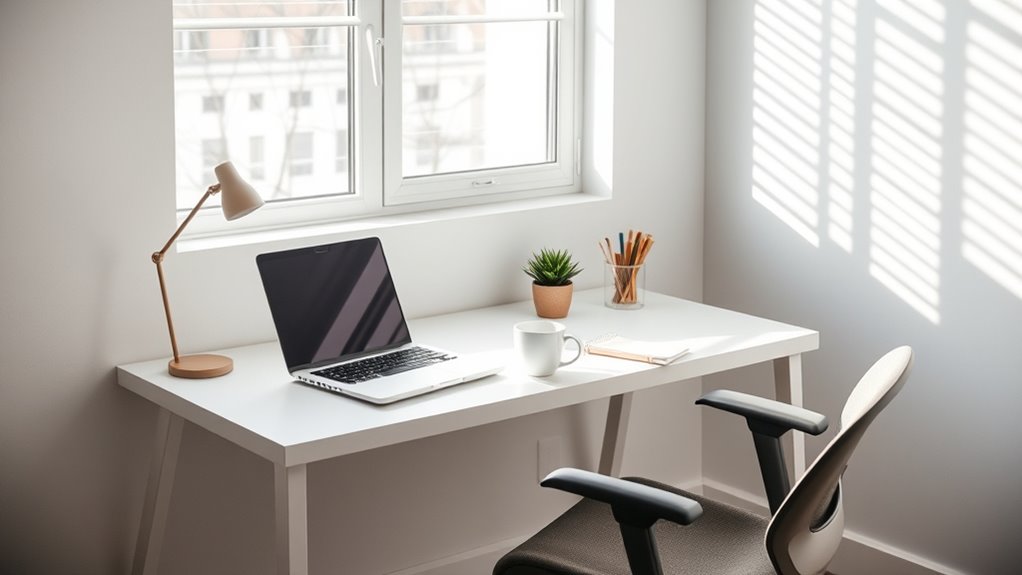
Before you can create an environment conducive to flow, you need to evaluate your current workspace. Start by examining your workspace ergonomics — is your desk, chair, and computer setup supporting comfort and good posture? Poor ergonomics can cause discomfort and drain your focus. Next, observe your distraction patterns. Notice when your attention drifts or when interruptions occur. Are notifications pulling you away from deep work? Do external noises or clutter distract you? Identifying these patterns helps you recognize what’s hindering your concentration. Take note of specific triggers that break your focus and assess how your workspace layout affects your ability to stay engaged. This honest evaluation is essential for making targeted improvements that create a more productive, flow-friendly environment. Additionally, considering your projector technology setup can significantly enhance your focus by providing a clear and immersive visual environment. Incorporating essential oils for deep focus, such as peppermint or eucalyptus, may also help elevate your concentration levels during work sessions. Recognizing the role of soundscapes in maintaining focus can further optimize your workspace for deep work sessions. Using an air purifier with HEPA filters can improve indoor air quality, reducing pollutants that might cause fatigue or distraction and helping you stay alert during your focused work periods. Regularly updating your workspace with air quality improvements can also contribute to sustained concentration and overall well-being.

VIVO Premium Aluminum Monitor Arm for Ultrawide Screens up to 49 inches and 33 lbs, Heavy Duty Single Desk Mount, Pneumatic Height, Max VESA 100x100, Black, STAND-V101G1
Ultrawide Compatibility: Fits ultrawide monitors up to 49" and standard flat and curved monitors up to 32” including...
As an affiliate, we earn on qualifying purchases.
Choosing the Ideal Location for Focused Work
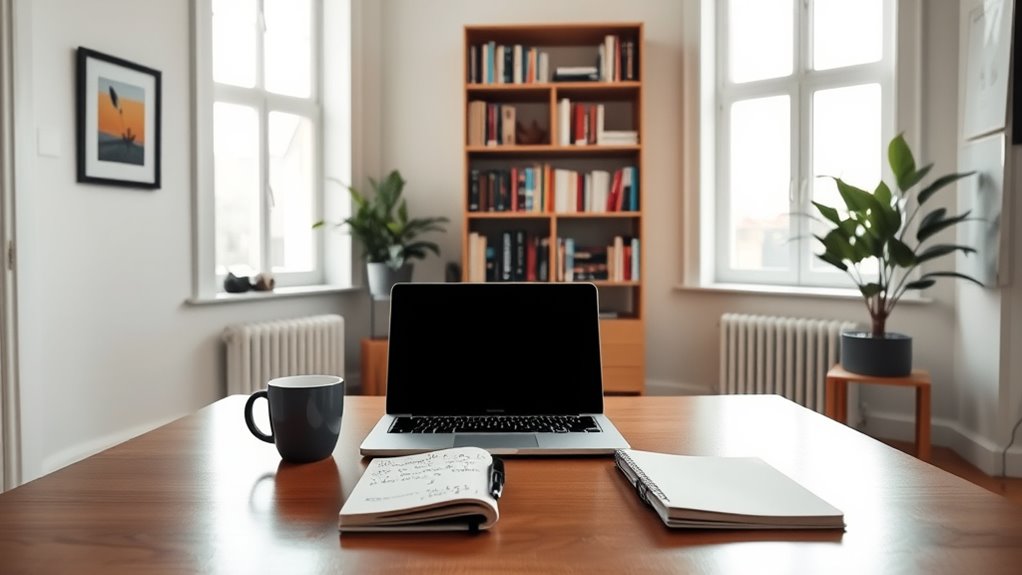
Selecting the right location for focused work is essential because your environment directly impacts your ability to concentrate and enter a flow state. When choosing a spot, consider factors that promote natural lighting, which reduces eye strain and boosts alertness. Minimize ambient noise or opt for spaces where background sounds are consistent and unobtrusive. Look for areas away from high traffic or frequent interruptions to maintain momentum. Consider the following:
- A corner with large windows for ample natural lighting
- A quiet room or nook with minimal ambient noise
- A space away from household activity or distractions
- An area with a stable, comfortable temperature
Creating a dedicated workspace can also help train your brain to associate that environment with deep focus and productivity environmental cues. Finding a location that aligns with these elements helps you stay focused, enhances your productivity, and supports sustained deep work. Incorporating elements of a calming environment can further improve your ability to maintain concentration calming environment. Additionally, choosing a space with adequate ventilation can improve alertness and comfort during long periods of focused work.
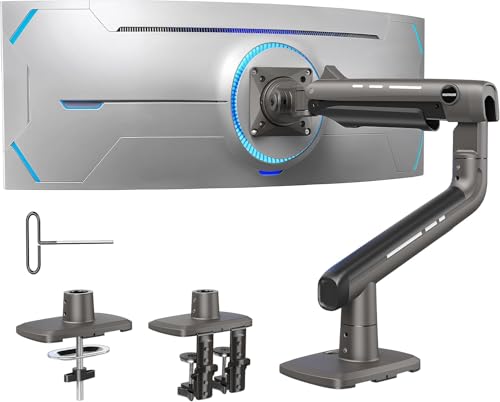
HUANUO TitanLift Heavy Duty Monitor Arm for Screens up to 49", Holds 44 lbs, Aluminum Ultrawide Screen Monitor Mount, Fully Adjustable Single Gaming Desk Mount with Dual C-Clamp, Max VESA 100x100mm
Fits up to 49" Ultrawide Screens: Ensure your monitor is compatible with the HUANUO TitanLift monitor arm by...
As an affiliate, we earn on qualifying purchases.
Organizing Your Desk to Promote Concentration

To boost your focus, start by decluttering your desk so only essentials are within reach. Create focus zones for different tasks to minimize distractions and stay organized. Also, optimize your lighting to reduce eye strain and keep your energy levels high throughout the day. Incorporating natural light can further enhance concentration and overall well-being. Additionally, ensuring you have ergonomic furniture can prevent discomfort and maintain productivity during long work sessions. Being mindful of headphone usage can help block out ambient noise and improve your deep work experience. Regularly assessing and adjusting your workspace can help maintain an environment conducive to deep work and sustained concentration, fostering a sense of workplace mindfulness that supports sustained focus.
Declutter Your Space
A tidy desk sets the foundation for focused work and helps you enter a flow state more easily. To achieve this, prioritize clutter reduction and adopt a minimalist design. Clear away unnecessary items that distract you or serve no purpose. Keep only essentials within arm’s reach, such as your computer, notepad, and a pen. Regularly reassess your workspace, removing things that no longer serve your workflow. Use simple storage solutions to keep things organized and out of sight. This creates a clean environment that minimizes visual noise and mental clutter. A streamlined desk encourages concentration and efficiency, making it easier to stay immersed in your tasks. Remember, less is more when it comes to designing a workspace that fosters deep work and flow. Additionally, maintaining a clutter-free environment supports your vibrational energy, enabling better alignment with your goals. Incorporating ergonomic principles can further enhance comfort and productivity during long work sessions. Creating a calming atmosphere with soft lighting or plants can also promote sustained focus and mental clarity. Properly organizing your workspace can also prevent the accumulation of distractions, helping to maintain your focus over extended periods. Recognizing the importance of a trustworthy environment, such as choosing quality products and ensuring a secure workspace, can also contribute to a more focused and productive work experience.
Use Focus Zones
Organizing your desk into dedicated focus zones helps you maintain concentration and work more efficiently. Designate specific areas for tasks like writing, research, and breaks, reducing distractions. Use noise management strategies—like noise-canceling headphones or soundproof panels—to create a quiet environment in your focus zones. Scent branding can also enhance concentration; place calming scents like lavender in your main work zone to signal focus time. To visualize, consider this setup:
| Zone | Purpose | Features |
|---|---|---|
| Deep Work Area | Focus-intensive tasks | Noise management, scent branding, minimal clutter, hydrocolloid patches for skin protection during long work sessions |
| Break Zone | Rest and recharge | Comfortable seating, light distractions |
| Supply Corner | Supplies and tools | Organized shelves, quick access |
This structure helps your brain associate each zone with its function, fostering flow. Additionally, incorporating focused breathing techniques can help reset your attention during work sessions. Practicing mindfulness practices can further improve your ability to sustain deep focus over extended periods. Furthermore, understanding the importance of self-watering plant pots can create a calming environment that subtly promotes relaxation and focus in your workspace.
Optimize Lighting Conditions
Proper lighting is essential for maintaining focus and reducing eye strain during work. To optimize your workspace, maximize natural light by positioning your desk near windows. Use adjustable fixtures to tailor lighting levels to your needs, avoiding glare or harsh shadows. Consider task lighting for detailed work, which helps keep your environment comfortable. Incorporate these elements:
- Let in ample natural light during the day
- Use adjustable fixtures to control brightness
- Add task lamps for focused activities
- Avoid overly bright or dim lighting to prevent fatigue
Balancing natural light with adjustable fixtures creates a well-lit environment that supports concentration. Proper lighting not only enhances your productivity but also fosters a flow state, making deep work more achievable. Adjust your setup to keep your workspace inviting and conducive to sustained focus. Additionally, researching optimal angles for pinball machines can provide insights into how lighting and positioning influence focus and engagement in various environments. Furthermore, staying aware of AI safety measures can help you design a workspace that minimizes distractions related to technological vulnerabilities. Paying attention to ergonomic lighting design can further enhance comfort and reduce strain during long periods of work.

HUANUO Dual Monitor Stand for 13″–40″, Premium Dual Monitor Mount with USB, Height Adjustable Monitor Stand for 2 Monitors, VESA Mount with Clamp/Grommet Base, Holds 26.4lbs per Arm, HNDS7
Improved Stability for Ultrawide Monitors: The upgraded dual monitor stand combines solid aluminum arms, a larger base, and...
As an affiliate, we earn on qualifying purchases.
Incorporating Ergonomic and Comfort-Enhancing Elements

To stay focused and comfortable at your desk, incorporating ergonomic and comfort-enhancing elements is essential. Choose ergonomic accessories like adjustable keyboard stands, wrist supports, and monitor risers to promote proper posture and reduce strain. Invest in comfort furniture, such as an adjustable chair with lumbar support and a cushioned seat, to maintain comfort during long work sessions. Proper ergonomics help prevent fatigue and discomfort that can break your concentration and hinder deep work. Keep your workspace organized with these elements, ensuring your body aligns naturally while working. By prioritizing ergonomic accessories and comfort furniture, you create an environment that supports sustained focus, minimizes physical distractions, and encourages a flow state throughout your workday.
Using Lighting and Sound to Create an Optimal Environment
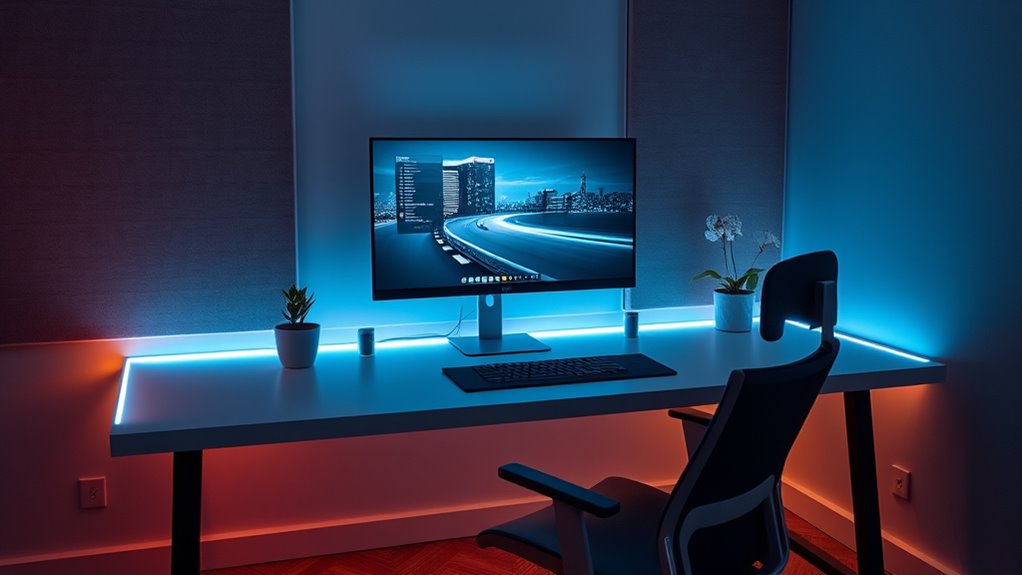
Creating an environment conducive to focus involves carefully managing lighting and sound. Ambient noise plays a critical role—you might prefer soft background sounds or complete silence to boost concentration. When it comes to lighting, consider the benefits of natural versus artificial lighting; natural light reduces eye strain and boosts mood, while well-placed artificial lights can simulate daylight or minimize glare. To optimize your workspace, try:
- Using noise-canceling headphones or white noise machines
- Balancing natural light with adjustable artificial lighting
- Avoiding harsh, flickering lights that cause fatigue
- Incorporating sounds that enhance focus without distraction
Adjusting these elements helps you maintain deep focus and flow, minimizing distractions and creating an environment tailored for deep work.
Establishing Rituals and Boundaries to Maintain Focus

To stay focused, you need clear start times and designated focus zones that signal when it’s time to work. Establish routines or rituals to smoothly shift into and out of work sessions, helping your mind stay on track. By setting boundaries and consistent habits, you create a structure that keeps distractions at bay and your flow steady.
Set Clear Start Times
Setting a clear start time for your work session helps signal your brain that it’s time to focus, reducing the temptation to delay or get distracted. When you establish a consistent beginning, you enhance your time management and reinforce your goal setting. To make this effective:
- Choose a specific time each day to begin work
- Prepare your workspace beforehand to minimize delays
- Use alarms or timers as cues to start work promptly
- Communicate your schedule to colleagues or family to set boundaries
Designate Focus Zones
Designating specific focus zones within your workspace helps reinforce your start time and keeps distractions at bay. By creating distinct areas for deep work, you signal to yourself that it’s time to concentrate. Reduce ambient noise by choosing a quiet corner or using noise-canceling headphones, helping block out background chatter. Minimize visual distractions by keeping your focus zone tidy and free of clutter, preventing your eyes from wandering. Use visual cues like a designated desk or a specific chair to reinforce this boundary. These zones act as mental anchors, making it easier to enter a flow state. When you associate certain spaces with focused work, you train your brain to shift into deep work mode more quickly and maintain it longer.
Use Rituals to Transition
Establishing routines or rituals before diving into work signals to your brain that it’s time to focus, making it easier to shift into a flow state. Consistent rituals create mindful passages that prepare you mentally and physically for deep work. To maintain ritual consistency, consider incorporating simple actions like:
- Brewing a specific coffee or tea before starting
- Listening to a designated playlist or soundscape
- Doing a quick stretch or breathing exercise
- Clearing your workspace of distractions
These small, intentional steps help your mind recognize the shift from casual to focused work. The key is to make these rituals habitual, so they become cues for your brain to transition smoothly into deep concentration, reducing distractions and enhancing your productivity.
Frequently Asked Questions
How Can I Personalize My Workspace to Boost Motivation?
You can boost motivation by personalizing your workspace with decor that inspires you and adding ergonomic accessories for comfort. Choose items that reflect your personality, like photos or artwork, to create a welcoming environment. Incorporate ergonomic accessories such as an adjustable chair or keyboard to improve comfort and focus. When your space feels personal and comfortable, you’ll find it easier to stay motivated and enter a flow state while working.
What Are Quick Tips to Minimize Digital Distractions?
Think of your digital space as a garden; avoid weeds like constant notifications that pull your focus. To minimize distractions, practice mindful browsing—only visit essential sites—and turn off non-urgent notifications. Use app blockers or focus modes to create a barrier against interruptions. Set specific times for checking emails and social media. This way, you cultivate a calm, distraction-free environment where your mind can flourish and stay deeply engaged.
How Do I Balance Aesthetics With Functionality?
You can balance aesthetics with functionality by choosing ergonomic furniture that looks sleek and supports your posture, while also creating a visually pleasing space. Incorporate ambient lighting to enhance the atmosphere without sacrificing practicality. Keep your workspace organized with stylish storage solutions, and select colors and decor that inspire focus. Prioritize comfort and visual appeal equally, ensuring your environment motivates deep work without clutter or distraction.
Can Plants Enhance Focus and Productivity?
Sure, plants can boost your focus and productivity—who would’ve thought? Their nature connection fosters calmness, while air purification keeps your environment fresh. As you work, the greenery acts like a silent partner, reducing stress and sharpening your mind. So, adding a few plants isn’t just about aesthetics; it’s an effortless way to enhance your deep work state by connecting with nature and improving your workspace air quality.
How Often Should I Redesign My Workspace for Optimal Flow?
You should redesign your workspace every 6 to 12 months to maintain ideal flow. Regular updates help you adapt to changing needs and prevent fatigue. Focus on ergonomic furniture to support comfort and ambient lighting to boost focus. When you notice decreased productivity or discomfort, it’s time for a refresh. Small tweaks like repositioning your desk or adding plants can also reignite your concentration and keep your workspace inspiring.
Conclusion
By fine-tuning your workspace, you gently guide yourself into a flow state where deep work feels almost effortless. Small adjustments, like thoughtful organization and calming surroundings, subtly encourage your focus to blossom. Remember, creating the right environment isn’t about perfection but about gently nurturing your ability to dive deeper. With patience and intention, you’ll find your workspace becoming a quiet refuge for productivity, making those moments of focus feel naturally within your reach.