
To manage your device use for better focus, start by recognizing your digital habits and setting clear boundaries, like scheduled tech-free times. Create designated zones in your home that are free of devices, and use apps to limit your screen time. Prioritize tasks to stay focused and schedule regular breaks to rest your eyes and mind. Engaging in offline activities and regularly reflecting on your habits can help you stay on track—if you keep exploring, you’ll find even more strategies to support your goals.
Key Takeaways
- Establish designated tech-free zones and set specific times to disconnect to reduce distractions.
- Use app timers and usage tracking tools to monitor and limit device activity effectively.
- Schedule regular breaks and incorporate offline activities to restore focus and prevent eye strain.
- Communicate boundaries and involve family in creating a supportive environment for device management.
- Practice mindfulness and reflect regularly on habits to adjust strategies and maintain long-term focus.

Logitech G413 SE Full-Size Mechanical Gaming Keyboard - Backlit Keyboard with Tactile Mechanical Switches, Anti-Ghosting, Compatible with Windows, macOS - Black Aluminum
Take your gaming skills to the next level: The Logitech G413 SE is a full-size keyboard with gaming-first...
As an affiliate, we earn on qualifying purchases.
Recognize Your Digital Habits

Understanding your digital habits is the first step toward managing your screen time effectively. By paying attention to your usage patterns, you can identify when and why you’re spending the most time on your devices. Notice if certain apps or activities tend to distract you or extend your screen time unexpectedly. This awareness helps you see where a digital detox could be beneficial, allowing you to step back and reset your habits. Tracking your habits over a few days can reveal triggers that lead to excessive use. Recognizing these patterns puts you in control, making it easier to decide when to limit or pause your screen time. Additionally, understanding sound design and how it can enhance your viewing experience can motivate you to set healthier boundaries around your screen use. Incorporating aesthetic home decor ideas such as stylish wall organization or unique dinnerware can also make your environment more inviting and help you create designated spaces for focused activities. Being aware of narcissistic tendencies in your digital interactions can help you avoid unhealthy validation-seeking behaviors that might contribute to excessive screen time. Ultimately, understanding your digital habits empowers you to create healthier, more intentional device usage for sale 100.

XPPen Drawing Tablet with Screen Full-Laminated Graphics Drawing Monitor Artist13.3 Pro Graphics Tablet with Adjustable Stand and 8 Shortcut Keys (8192 Levels Pen Pressure, 123% sRGB)
PLEASE NOTE:XPPen Artist13.3 Pro drawing tablet Need to connect with computer,you need to use it with your computer...
As an affiliate, we earn on qualifying purchases.
Set Clear Boundaries for Screen Time

Setting clear boundaries for your screen time gives you a practical way to control your digital habits and stay focused on what matters. Establish device boundaries by setting specific times when you disconnect, such as after dinner or an hour before bed. These boundaries help prevent endless scrolling and make space for offline activities. Incorporate regular digital detox periods, where you completely unplug to reset your mind. Communicating your boundaries to family or colleagues to ensure support and accountability. Remember, the goal isn’t to eliminate screen use but to manage it intentionally. By defining limits, you create a healthier relationship with technology, reducing distractions and boosting your focus. Sustainable habits are essential for long-term success in managing digital usage. Clear boundaries foster better habits and help you reclaim time for meaningful, offline experiences, supporting overall workplace productivity. Additionally, understanding the benefits of glycolic acid in skincare can motivate you to maintain routines that enhance your well-being beyond digital habits. Incorporating privacy controls can also help you feel more secure while managing your digital boundaries effectively. Developing awareness of your digital environment can further aid in establishing sustainable boundaries and enhancing your focus.

XPPen Updated Deco 01 V3 Drawing Tablet-16384 Levels of Pressure Battery-Free Stylus, 10x6 Inch OSU Graphic Tablet, 8 Hotkeys for Digital Art, Teaching, Gaming Drawing Pad for Chrome, PC, Mac, Android
Word-first 16K Pressure Levels: The upgraded stylus features 16,384 levels of pressure sensitivity and supports up to 60...
As an affiliate, we earn on qualifying purchases.
Designate Tech-Free Zones in Your Home

You can create tech-free zones by choosing specific areas in your home where devices aren’t allowed, like the dining room or bedrooms. Make sure to establish these boundaries clearly so everyone knows the rules. Encourage family members to participate in maintaining these zones to foster a shared commitment. Incorporating these zones can also help promote a healthier gardening environment, encouraging more outdoor activity and reducing screen time indoors. Additionally, regularly assessing and reorganizing these zones can help ensure they remain effective and inviting for all family members. To further support this goal, consider setting cost-effective guidelines for device use and establishing clear rules for when and where devices can be used, which can also help in managing legal considerations related to device monitoring and usage policies. Implementing behavior management strategies can enhance compliance and promote healthier device habits within your household. Using expiration guidelines for items like juices and other consumables can also help maintain a safe and healthy environment within your home.
Choose Device-Free Areas
Designating specific areas in your home as device-free zones can considerably reduce screen time and promote healthier habits. By creating clear device boundaries, you establish spaces where screens are off-limits, encouraging face-to-face interactions and relaxation. Choose areas like the dining room, bedrooms, or the living room to designate as tech free zones. These zones help reinforce boundaries and make it easier to disconnect during family meals or bedtime. When you set these device-free areas, everyone in your household understands where devices shouldn’t be used, fostering better focus and reducing distractions. Consistently enforcing these zones creates a routine that supports mindful device use and helps develop healthier tech habits over time. Incorporating clutter-free spaces into your home can further enhance the effectiveness of these zones by minimizing visual distractions and promoting a calm environment. Additionally, establishing space organization can aid in maintaining these boundaries and making the zones more effective. Using eye patch benefits to promote eye health and reduce strain can be an additional strategy to encourage breaks from screen time and protect your vision over time. Creating appropriate lighting in these zones can also reduce eye strain and support overall eye health, making it easier to adhere to screen time boundaries. Moreover, integrating essential oils for relaxation, like lavender or eucalyptus, may help create a calming atmosphere that discourages unnecessary device use and promotes relaxation during device-free periods.
Establish Boundaries Clearly
To effectively manage screen time, it’s essential to establish boundaries by clearly designating specific areas as tech-free zones. By setting boundaries, you create spaces where devices are off-limits, helping everyone disconnect and focus on other activities. Enforcing limits involves consistently maintaining these boundaries, so your household understands and respects the designated zones. For example, designate the dining room and bedrooms as tech-free zones to promote quality family time and better sleep habits. Make sure everyone in your home is aware of these boundaries and understands the importance of respecting them. Consistent enforcement helps reinforce the message that certain areas are off-limits for devices, reducing temptation and fostering healthier device habits. Clear boundaries make it easier to manage screen time effectively. Incorporating boundaries and limits can also support healthier emotional regulation and focus, contributing to overall well-being. Additionally, integrating music therapy or sound healing practices into your routine can further enhance relaxation and mental clarity. Understanding the cost and budgeting involved in creating a dedicated space can help plan for any necessary adjustments or improvements. Implementing these boundaries can also incorporate outdoor wisdom by encouraging time spent in natural settings away from screens, promoting a balanced lifestyle.
Encourage Family Participation
Getting your whole family involved makes it easier to stick to tech-free zones and creates a sense of collective responsibility. When everyone participates, family bonding improves as you engage in shared activities without devices. Designate specific areas in your home as tech-free zones, like the dining room or living room, where screens are off-limits. Encourage family members to suggest ideas for activities that don’t involve gadgets, such as board games, reading, or outdoor play. By involving everyone, you set a positive example and foster a supportive environment. This shared effort helps establish routines and makes the transition progression smoother. Over time, your family will naturally gravitate toward spending quality time together, strengthening relationships and reducing dependency on screens. Incorporating intentional home decoration elements can also create inviting spaces that encourage device-free interactions.
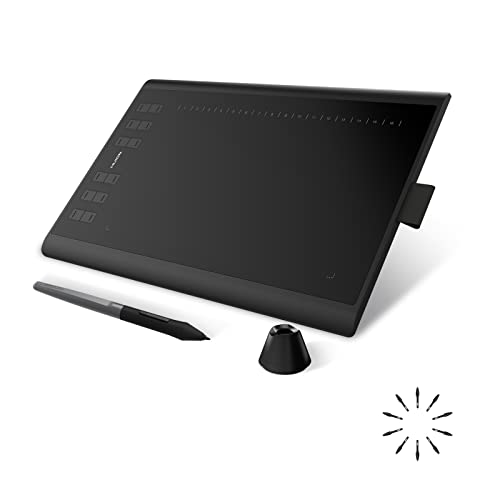
HUION Inspiroy H1060P Graphics Drawing Tablet with 8192 Pressure Sensitivity Battery-Free Stylus and 12 Customized Hot Keys, 10 x 6.25 inches Digital Art Tablet for Mac, Windows PC and Android
Working Area Configuration - HUION art tablet equips with a 10 x 6.25 inches working area, providing the...
As an affiliate, we earn on qualifying purchases.
Use Apps and Tools to Limit Usage
Using apps and tools to limit screen time can be highly effective in managing your device use. App timers help you set specific limits for app sessions, preventing overuse. Usage tracking provides insights into how much time you spend on each app, making it easier to identify and cut back on distracting activities. These tools give you control and accountability, encouraging healthier habits. Here’s a quick overview:
| Tool Type | Function | Benefit |
|---|---|---|
| App Timers | Set time limits per app | Reduce excessive use |
| Usage Tracking | Monitor overall device time | Increase awareness |
| Focus Mode | Block distracting apps | Improve concentration |
| Schedule Limits | Automate device restrictions | Create routine boundaries |
| Notification Control | Manage alerts and pop-ups | Minimize interruptions |
Prioritize Tasks to Reduce Distractions

To cut down on distractions, start by setting clear goals for each session. Use prioritized lists to focus on what’s most important, and avoid multitasking to stay sharp. When you organize your tasks this way, you’ll find it easier to stay on track and finish what matters.
Set Clear Goals
Have you ever felt overwhelmed by the endless stream of notifications and tasks vying for your attention? Setting clear goals helps you regain control and avoid distraction. Start with a digital detox—unplug from devices for a set period to clarify your priorities. Effective goal setting gives you direction and purpose, making it easier to focus on what truly matters. When your goals are specific and achievable, you reduce the temptation to check social media or emails constantly. Break larger tasks into smaller steps and assign deadlines, so you know exactly what to work on without feeling overwhelmed. Clear goals act as a roadmap, helping you stay on track and resist impulsive device use. This focused approach minimizes distractions and boosts your productivity.
Use Prioritized Lists
Ever feel overwhelmed by a long to-do list and unsure which task to tackle first? Prioritized lists help you stay focused and limit device dependency. Start by ranking your tasks: urgent, important, or minor. This prevents distraction from less critical activities, reducing the need for constant digital detox. Use a simple table to clarify your priorities:
| High Priority | Low Priority |
|---|---|
| Finish report | Organize files |
| Reply to emails | Browse social media |
Limit Multitasking
Multitasking can seem like a way to get more done, but it often leads to increased distractions and reduced focus. The multitasking pitfalls include cognitive overload, which hampers your ability to process information efficiently. When you switch between tasks, your brain struggles to juggle multiple streams of information, causing mistakes and slower progress. To improve focus, limit multitasking by prioritizing tasks and completing one at a time. This helps reduce cognitive overload, allowing you to concentrate fully and complete tasks more effectively. By focusing on a single task, you minimize distractions and enhance your productivity. Remember, quality beats quantity—doing fewer things well is better than doing many poorly. Limiting multitasking is a simple yet powerful way to regain control over your device use and boost focus.
Practice Mindful Device Use

Practicing mindful device use means becoming more aware of how often and why you pick up your devices. When you pay attention to your habits, you can identify times when you’re mindlessly scrolling or using devices out of boredom. This awareness encourages mindful consumption, where you choose to engage intentionally rather than impulsively. Incorporating regular digital detox periods helps reset your habits, allowing you to reconnect with the world around you without distraction. By being present and deliberate with your device use, you reduce unnecessary screen time and improve focus. Practicing mindfulness makes you more conscious of your digital habits, helping you create healthier boundaries and foster a more balanced relationship with technology.
Schedule Regular Breaks From Screens

Scheduling regular breaks from screens is essential for maintaining your eye health and mental clarity. Taking consistent pauses helps prevent digital eye strain and boosts focus. During these breaks, consider a quick digital detox—step away from devices entirely to reset your mind. Incorporate tech-free breaks into your routine to reduce overstimulation and promote relaxation. To maximize benefits, try the following:
- Stand up and stretch your body
- Blink frequently to refresh your eyes
- Take deep breaths to reduce stress
- Switch to a non-digital activity, like reading a book
These simple steps reinforce the importance of stepping back from screens regularly. By making these breaks a habit, you support your overall well-being and sustain longer periods of productive focus. Remember, consistency is key to balancing device use effectively.
Engage in Offline Activities

Engaging in offline activities is an effective way to give your eyes and mind a break from screens. By pursuing outdoor hobbies like gardening, hiking, or biking, you can enjoy fresh air while reducing device time. These activities boost your physical health and help clear your mind. Social gatherings also play a essential role; spending quality time with friends or family face-to-face fosters stronger relationships and provides a revitalizing change from digital interactions. Participating in offline pursuits not only minimizes screen fatigue but also enriches your daily routine. Make a conscious effort to incorporate outdoor hobbies and social gatherings into your schedule. Doing so enhances your focus, decreases dependency on screens, and promotes a healthier, more balanced lifestyle.
Reflect and Adjust Your Screen-Time Goals

To effectively manage your screen time, it’s important to regularly reflect on your current habits and modify your goals accordingly. Conducting a self assessment helps you recognize patterns and areas needing improvement. When revising your goals, consider what’s working and what’s not, then set realistic, measurable targets. Remember, flexibility is key to sustained progress. To deepen your understanding of your habits, think about:
- How often you deviate from your planned limits
- Which activities distract you most
- The triggers that lead to excessive screen use
- Adjusting goals based on your evolving priorities
Goal revision isn’t about perfection but about continuous growth. Regular reflection ensures your screen-time strategies stay aligned with your needs, helping you maintain focus and balance effectively.
Frequently Asked Questions
How Can I Track My Screen Time Effectively?
You can track your screen time effectively by using screen time apps available on your device. These apps provide detailed insights into your device usage habits, helping you identify which apps consume most of your time. Set daily limits and review your usage patterns regularly. This way, you stay aware of your habits, make adjustments, and improve your focus by managing your device usage more consciously.
What Are Signs of Digital Addiction?
You can spot digital addiction through behavioral cues like neglecting responsibilities or withdrawing from social activities. Emotional triggers such as stress or boredom often lead you to compulsively check devices. If you find yourself losing track of time, feeling anxious without your device, or using screens to escape negative feelings, these signs indicate a potential problem. Recognizing these cues helps you regain control and develop healthier device habits.
How Do I Involve Family in Screen-Time Management?
Imagine the family as a garden thriving with shared sunlight and laughter. You involve your family by establishing clear family rules that set gentle boundaries, fostering a balanced environment. Encourage shared activities like game nights or outdoor outings, creating moments beyond screens. When everyone participates, it strengthens bonds, making device management a team effort. This approach transforms screen time from a challenge into an opportunity for connection and growth.
What Are Quick Tips for Reducing Device Distractions?
To reduce device distractions quickly, start by reviewing your app usage and deleting or disabling apps that aren’t essential. Set specific time limits for social media or entertainment apps to prevent overuse. Keep distraction triggers, like notifications, turned off during focused periods. Designate device-free zones and times, such as during meals or work sessions. These simple steps help you regain control over your attention and boost productivity.
How Can Schools Support Healthy Device Habits?
Schools can support healthy device habits by integrating digital literacy and device etiquette into the curriculum, helping you understand responsible technology use. They can set clear rules for device use during classes and promote unplugged activities to reduce distractions. Encouraging discussions about balancing screen time and fostering self-regulation teaches you to develop mindful habits. Providing resources and support helps you build a healthy relationship with technology, enhancing focus and overall well-being.
Conclusion
By mastering your screen-time habits, you’re steering your ship through the digital seas with purpose. Setting boundaries, taking breaks, and choosing offline adventures help you stay afloat and focused. Remember, it’s about creating a balanced lighthouse guiding you away from the storm of distractions. Keep adjusting your approach, and you’ll find your journey becomes clearer, more intentional, and ultimately more rewarding. Navigate wisely, and enjoy smoother sailing toward your goals.