
By 2030, traditional office spaces will largely be replaced by flexible, tech-enabled environments designed for hybrid work. You’ll find spaces that focus on collaboration, innovation, and personalization, rather than fixed desks. Offices will serve as hubs for connection and creativity, with decentralized micro-communities becoming common. If you stay tuned, you’ll discover how these evolving spaces will shape your work experience and what new environments might look like.
Key Takeaways
- Traditional fixed desks are becoming obsolete, replaced by flexible, multi-use workspaces that adapt to individual and team needs.
- Offices will evolve into dynamic ecosystems focused on collaboration, innovation, and personalized experiences rather than static workstations.
- Decentralized hubs and satellite offices will serve as community and collaboration centers, reducing reliance on large centralized headquarters.
- Advanced technology and immersive environments will support hybrid work, making physical office spaces more about connection than routine tasks.
- The future office will prioritize flexibility, connectivity, and user experience, diminishing the need for conventional, permanent office setups.
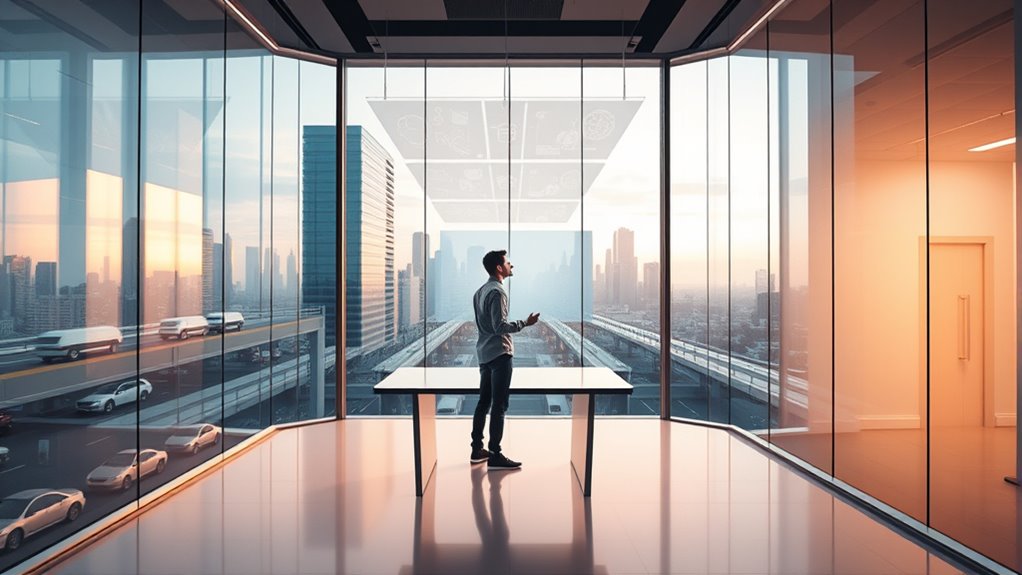
Have you ever wondered what lies beyond the traditional office desk? As technology continues to evolve, the concept of a standard office setting is shifting dramatically. Remote work is no longer just a perk; it’s becoming the norm for many industries. Instead of commuting to a fixed location every day, you might find yourself working from a cozy corner of your home, a bustling coffee shop, or even a different city altogether. This shift drastically impacts how companies approach office design. No longer is the focus solely on cubicles and conference rooms; instead, spaces are being reimagined to support hybrid work models that combine remote and in-office experiences seamlessly.
Remote work is transforming office design, emphasizing flexibility, collaboration, and personalized environments for a hybrid future.
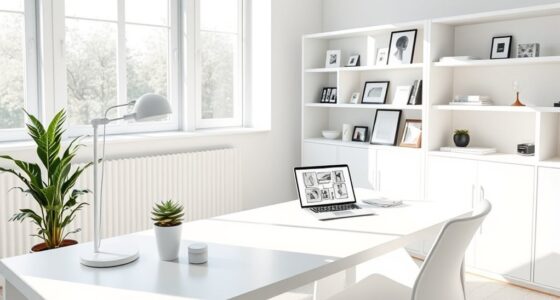
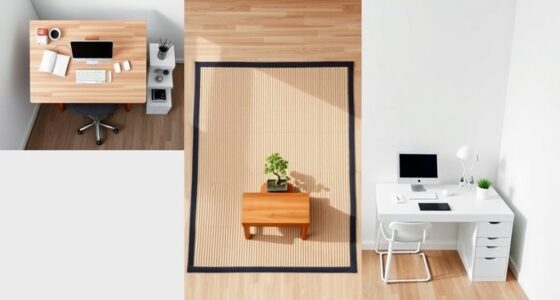
In this new landscape, office design is less about creating a physical space with assigned desks and more about fostering flexibility and collaboration. Companies are investing in adaptable environments—think open-plan layouts that can be rearranged easily, or multipurpose areas that serve various functions. The goal is to make the office a hub for connection and creativity rather than just a place to log hours. You might find offices equipped with cozy lounge zones, quiet pods for focused work, and technology-enabled meeting areas that facilitate remote participation. This approach recognizes that your productivity isn’t confined to a desk but is influenced by the environment you’re in.
Furthermore, the rise of remote work is prompting a rethink of what an office truly needs to be. Instead of large, centralized headquarters, organizations might operate with smaller satellite offices or decentralized hubs. These spaces serve as community centers or collaborative zones, designed to complement remote work rather than replace it. For you, this means more control over your work environment—choosing where and how you work best, whether that’s at home, in a shared coworking space, or in a flexible office designed for hybrid teams.
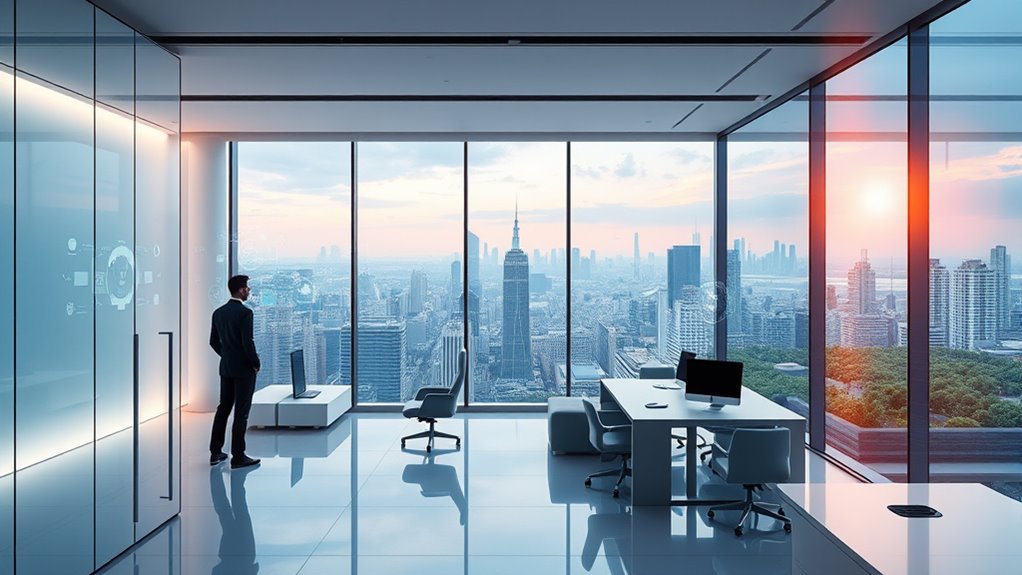
Looking ahead to 2030, it’s likely that traditional offices will become more like flexible ecosystems rather than fixed institutions. Office design will emphasize user experience, comfort, and technological integration. As remote work becomes more embedded in everyday life, the physical space transforms into a supporting environment—one that enhances connectivity, fosters innovation, and adapts to your personal work style. The future of work isn’t about abandoning offices altogether; it’s about rethinking them to serve your needs better, making the idea of a fixed desk less relevant and more about creating a dynamic, inspiring workspace tailored to the modern worker. Additionally, incorporating high-quality projectors into office spaces can facilitate presentations, collaborative sessions, and immersive experiences that support this evolving work environment.

ErGear Height Adjustable Electric Standing Desk, 48 x 24 Inches Sit Stand up Desk, Memory Computer Home Office Desk, Black
Electric Height Adjustable Standing Desk for Comfortable Work – Switch effortlessly between sitting and standing with this electric…
As an affiliate, we earn on qualifying purchases.
As an affiliate, we earn on qualifying purchases.
Frequently Asked Questions
How Will Office Design Evolve by 2030?
By 2030, you’ll see office design prioritize flexible layouts with improved office ergonomics, making workspaces more comfortable and adaptable. Interiors will feature modern aesthetics that boost creativity and well-being, combining natural elements with sleek, sustainable materials. Expect more personalized spaces, smart technology integration, and biophilic designs that connect you to nature. This evolution aims to enhance productivity while supporting your health and inspiring innovation in everyday work environments.
Will Remote Work Fully Replace Traditional Offices?
Remote work won’t fully replace traditional offices; instead, they’ll blend like a symphony, creating a new harmony. Virtual watercoolers will mimic office camaraderie, while office cubicles transform into open, flexible spaces. You’ll find yourself steering this hybrid landscape, where digital connection complements physical presence. The future of work is a dance between screens and shared spaces, making work feel more human and adaptable, not less.
What Technologies Will Shape Future Workplaces?
You’ll see AI integration transforming workplaces, making tasks more efficient and personalized. Digital twins will let you simulate and optimize office environments virtually, improving space management and collaboration. These technologies will enable seamless remote and hybrid work, enhancing communication and productivity. As you adapt to these innovations, your work experience will become more flexible, interactive, and data-driven, ultimately shaping a smarter, more connected future workspace.
How Will Company Culture Adapt to Remote Environments?
You’ll find company culture becomes more flexible and inclusive as remote work grows, with 71% of employees valuing a strong sense of belonging virtually. To succeed, you’ll need to embrace virtual collaboration and tackle leadership challenges head-on. As remote environments expand, your company will prioritize transparency, communication, and trust, ensuring everyone feels connected and engaged—even from afar—shaping a resilient, adaptable culture for 2030.
Are There Environmental Benefits to Fewer Offices?
Fewer offices can substantially benefit the environment by promoting sustainable architecture and energy efficiency. When you reduce the number of physical spaces, you cut down on energy consumption, heating, cooling, and waste. This shift encourages companies to invest in eco-friendly building designs and smarter energy use, helping to lower carbon footprints. Overall, fewer offices mean a more sustainable future, benefiting both the planet and your organization’s environmental responsibility efforts.
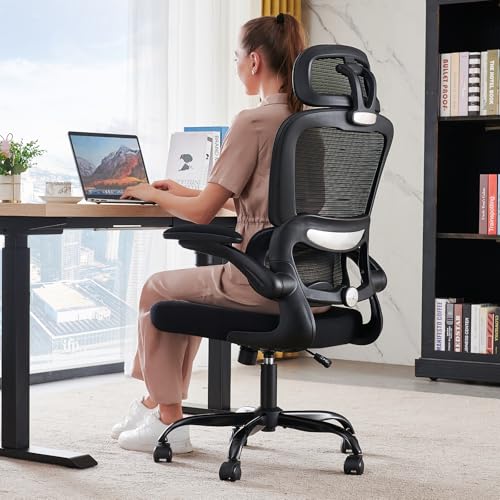
TRALT Office Chair Ergonomic Desk Chair, 330 LBS Home Mesh Office Desk Chairs with Wheels, Comfortable Gaming Chairs (Black)
Ergonomic Office Chair: Experience unparalleled support with our ergonomic office chair, designed to provide comprehensive assistance for your…
As an affiliate, we earn on qualifying purchases.
As an affiliate, we earn on qualifying purchases.
Conclusion
By 2030, your office might feel like a distant memory, much like the abandoned train station in a quiet town—once bustling, now silent. As companies embrace remote work, studies show up to 70% of employees prefer flexible arrangements. You might find yourself working from a cozy corner of your home, where the only commute is a walk to your desk. The future of work is transforming, and it’s up to you to adapt and thrive in this new landscape.

Tonmom Laptop Stand for Desk, Adjustable Laptop Riser ABS+Silicone Foldable Portable Notebook Holder, Ventilated Cooling Notebook Mount Computer Stand for 10-15.6” Laptops,Tablets-Black
【Adjustable & Ergonomic】:The laptop holder elevates your notebook from 2.78” to 6.5” height (7 level height) for a…
As an affiliate, we earn on qualifying purchases.
As an affiliate, we earn on qualifying purchases.

ProCase Noise Reduction Ear Muffs, Sound Proof Ear Protection, NRR 28dB Noise Cancelling Headphones for Adults Kids Autism, Hearing Protection for Shooting Gun Range Mowing -Red
Constructed by solid ABS shell and thickened foam, the ear muffs achieve NRR 28 dB (SNR 34 dB)…
As an affiliate, we earn on qualifying purchases.
As an affiliate, we earn on qualifying purchases.