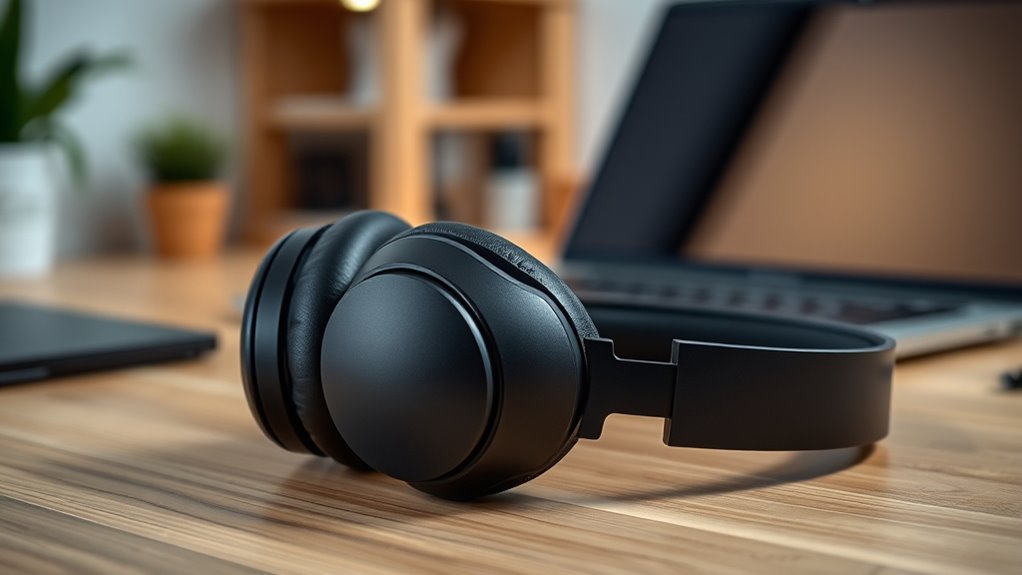

Noise-cancelling headphones can be a Focus Savior by effectively blocking out distracting ambient sounds, helping you concentrate better and enjoy clearer audio. While they work well against steady, low-frequency noises, they’re less effective for sudden or high-frequency sounds. If you want a quieter environment during work or travel, they’re worth considering. Want to understand how they work and whether they’re right for you? Keep exploring to discover more.
Key Takeaways
- Noise-cancelling headphones effectively block background noise, enhancing focus in noisy environments like commuting or offices.
- They use active and passive methods, with active noise cancellation targeting consistent low-frequency sounds.
- While improving concentration, they may cause slight sound quality trade-offs and discomfort if poorly fitted.
- Advanced features and comfort vary, influencing whether they are a worthwhile investment or overhyped gadgets.
- Future tech aims to make noise-cancelling headphones more affordable, personalized, and seamless for everyday use.

Soundcore by Anker Q20i Hybrid Active Noise Cancelling Headphones, Wireless Over-Ear Bluetooth, 40H Long ANC Playtime, Hi-Res Audio, Big Bass, Customize via an App, Transparency Mode
Hybrid Active Noise Cancelling: 2 internal and 2 external mics work in tandem to detect external noise and…
As an affiliate, we earn on qualifying purchases.
As an affiliate, we earn on qualifying purchases.
How Noise-Cancelling Technology Works

Noise-cancelling headphones work by actively reducing ambient sounds through a process called noise cancellation. When you wear them, tiny microphones pick up external sounds and then generate sound waves that cancel out the noise, creating a quieter listening experience. Wireless connectivity makes these headphones more convenient, allowing you to move freely without tangled cords, but it can sometimes introduce slight noise leakage—where some ambient sounds might still seep in. The headphones use advanced algorithms to adapt to your environment, minimizing distractions. Keep in mind, noise cancellation primarily targets consistent, low-frequency sounds like engine noise or chatter. While wireless features boost convenience, they don’t eliminate noise leakage entirely, so some external sounds may still be detectable, especially at higher volumes. Additionally, understanding how noise-cancelling technology interacts with different frequencies can help you choose the best headphones for your needs. Moreover, the environment in which you use these headphones can significantly influence their effectiveness, making it essential to select headphones suited for your typical settings. For example, acoustic environments with unpredictable or high-frequency sounds may require additional noise-canceling features or different headphone models to optimize performance. As advancements in AI-powered noise cancellation continue, future headphones might adapt even more precisely to complex soundscapes, enhancing overall user experience.
Soundcore by Anker Q20i Hybrid Active Noise Cancelling Headphones, Wireless Over-Ear Bluetooth, 40H Long ANC Playtime, Hi-Res Audio, Big Bass, Customize via an App, Transparency Mode
Hybrid Active Noise Cancelling: 2 internal and 2 external mics work in tandem to detect external noise and…
As an affiliate, we earn on qualifying purchases.
As an affiliate, we earn on qualifying purchases.
Types of Noise Cancellation: Active vs. Passive
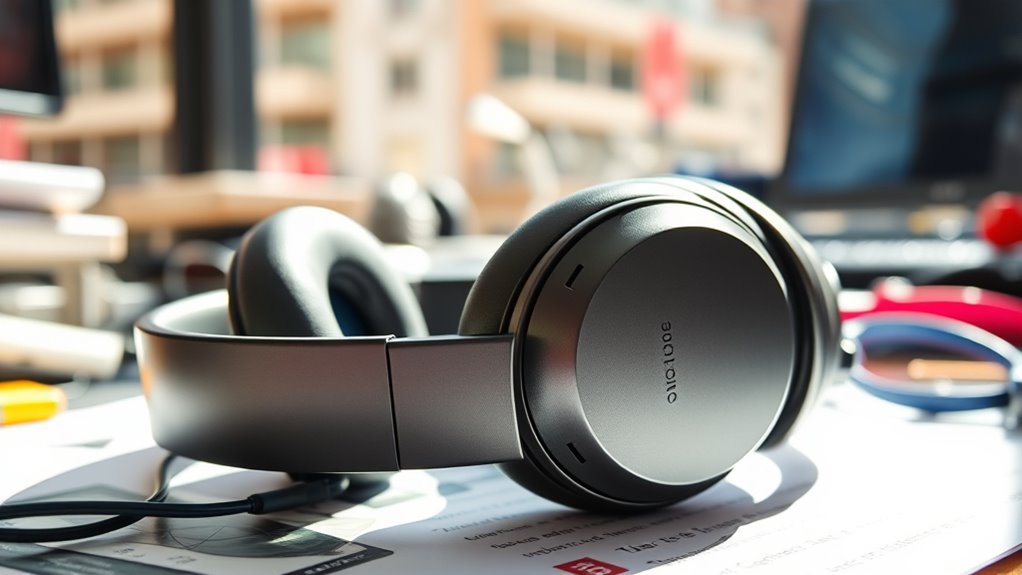
Passive noise reduction relies on the physical design of headphones to block out sound, while active noise technology uses electronics to cancel noise actively. You’ll notice that passive methods include snug ear cups or ear tips, providing natural insulation. Crochet styles for locs can also serve as a protective styling method, shielding your ears from external noise. Additionally, advancements in automation technologies continue to improve the effectiveness of active noise cancelling systems, making them more adaptable to different environments. For example, soundproofing materials are increasingly incorporated into headphone design to enhance passive noise reduction, further improving overall performance. Modern filtering techniques also contribute to noise cancellation by refining the electronic signals used to cancel out sound, resulting in a more seamless listening experience. Incorporating noise isolation features can further optimize the effectiveness of noise-cancelling headphones, especially in noisy settings. Understanding the differences helps you choose the best headphones for your environment.
Passive Noise Reduction
Passive noise reduction relies on the design and materials of headphones to block out sound without requiring power. This approach uses passive design features like thick ear cups and sound-insulating materials to minimize environmental noise. You benefit from a natural barrier that reduces ambient sounds, especially low-frequency noise. The effectiveness depends on the headphones’ construction and fit, offering consistent performance without batteries or electronics. To understand the differences, consider this table:
| Feature | Passive Noise Reduction |
|---|---|
| Power | None |
| Best for | Low-frequency environmental noise |
| Limitation | Less effective against sudden or high-frequency sounds |
While passive noise reduction can considerably cut down on environmental noise, it might not completely eliminate all sounds, especially louder or more abrupt noises. Additionally, the material quality of the ear cups plays a significant role in overall noise-blocking performance.
Active Noise Technology
Active noise cancellation (ANC) takes the concept of reducing ambient sounds further by using electronics to actively counteract external noise. With ANC, your headphones emit sound waves that cancel out background noise, making your listening experience more immersive. This technology is not only functional but also a fashion statement, as many models are designed to stand out. When considering active noise technology, keep in mind:
- Effectiveness in noisy environments, making travel and commutes more enjoyable.
- Integration with sleek, stylish designs that serve as fashion statements.
- Potential impact on battery life due to the electronic components involved.
- Awareness of cybersecurity vulnerabilities is important, as connected devices can be targeted by hackers.
- As AI-powered devices become more prevalent, ensuring your headphones are protected from AI security threats is increasingly relevant. Additionally, understanding the noise cancellation process can help users optimize their listening experience.
- It’s also beneficial to consider how smart technologies are integrated into these devices to enhance their functionality and user control, which can sometimes introduce new privacy considerations.
Soundcore by Anker Q20i Hybrid Active Noise Cancelling Headphones, Wireless Over-Ear Bluetooth, 40H Long ANC Playtime, Hi-Res Audio, Big Bass, Customize via an App, Transparency Mode
Hybrid Active Noise Cancelling: 2 internal and 2 external mics work in tandem to detect external noise and…
As an affiliate, we earn on qualifying purchases.
As an affiliate, we earn on qualifying purchases.
Key Features to Consider When Choosing Headphones

When choosing headphones, you should focus on sound quality and clarity to guarantee you enjoy your music fully. Comfort and fit are also vital, so you can wear them for hours without discomfort. Don’t forget to take into account battery life and connectivity to keep your listening seamless and hassle-free. Additionally, considering audio tuning options can help tailor the sound profile to your preferences for an even better listening experience. Leveraging AI in Business can also assist in personalizing sound settings based on your listening habits, enhancing your overall experience. Paying attention to filter replacement guidelines ensures your headphones or related devices stay in optimal condition for consistent performance. Being aware of regional legal resources can also be helpful if you encounter issues with warranties or product disputes.
Sound Quality and Clarity
Sound quality and clarity are critical factors to contemplate because they directly impact your listening experience. Poor sound quality results in sound distortion, making details hard to hear and reducing overall enjoyment. To guarantee high audio fidelity, consider these key aspects:
- Frequency Response: A wider range ensures deeper bass and clearer treble, enhancing overall sound clarity.
- Driver Quality: Larger, high-quality drivers produce better sound fidelity with minimal distortion.
- Noise Isolation: Effective noise cancellation complements sound quality by reducing external interference, allowing you to hear every detail sharply.
- Sound fidelity plays a vital role in ensuring that your headphones provide an authentic listening experience, especially when combined with good hardware components. Additionally, sound calibration can optimize audio performance for individual preferences.
Prioritizing these elements helps you choose headphones that deliver crisp, authentic sound, whether you’re listening to music or making calls. Good sound quality is essential for an immersive experience that keeps you focused and engaged.
Comfort and Fit
Ever wondered why some headphones feel more comfortable during long listening sessions? It all comes down to the headphone padding and ear cup materials. Soft padding provides a plush barrier that reduces pressure on your ears and head, preventing discomfort over time. Look for ear cups made from breathable materials like memory foam or velour, which help prevent sweat buildup and skin irritation. The fit should be snug but not tight, ensuring a secure seal without pinching. Adjustable headbands also contribute to better comfort by letting you find the perfect fit. Remember, headphones with quality padding and carefully chosen ear cup materials will feel less intrusive, making extended listening sessions more enjoyable and less fatiguing.
Battery Life and Connectivity
Are you aware of how much battery life and seamless connectivity can enhance your headphone experience? Long battery longevity guarantees you stay immersed without frequent recharging, especially during long sessions. When evaluating options, consider these key points:
- Wireless range: A wider wireless range allows you to move freely without disconnects, boosting convenience.
- Battery duration: Look for headphones offering at least 20-30 hours of playback to avoid interruptions.
- Connectivity stability: Bluetooth versions 5.0 or higher provide more reliable connections and faster pairing.
- Innovative wireless technologies are continually emerging to further improve connection stability and reduce latency.
- Stronger signal transmission ensures consistent audio quality even in environments with potential interference.
Good battery life minimizes downtime, while strong wireless range ensures consistent performance. These features are essential for maintaining focus whether you’re working, commuting, or relaxing. Prioritizing battery longevity and connectivity will give you a more satisfying, hassle-free listening experience.
Soundcore by Anker Q20i Hybrid Active Noise Cancelling Headphones, Wireless Over-Ear Bluetooth, 40H Long ANC Playtime, Hi-Res Audio, Big Bass, Customize via an App, Transparency Mode
Hybrid Active Noise Cancelling: 2 internal and 2 external mics work in tandem to detect external noise and…
As an affiliate, we earn on qualifying purchases.
As an affiliate, we earn on qualifying purchases.
Benefits of Using Noise-Cancelling Headphones
Noise-cancelling headphones markedly enhance your listening experience by blocking out ambient noise, allowing you to focus on your music, podcasts, or calls without distraction. This technology boosts your music immersion, making every note clearer and more detailed, so you can enjoy your favorite tracks more fully. When traveling, these headphones offer significant convenience by reducing engine noise, chatter, and other background sounds, helping you relax or stay productive. They create a peaceful environment even in noisy settings like airplanes, trains, or busy cafes. Plus, with less external noise, you tend to listen at lower volumes, protecting your hearing. Additionally, understanding narcissistic behavior can help you recognize manipulative tactics used by some individuals in your environment, ensuring you maintain healthy boundaries. Overall, noise-cancelling headphones make everyday listening more enjoyable, comfortable, and efficient, whether you’re commuting, working, or just unwinding.
Limitations and Challenges of Noise Cancellation
While noise-cancelling headphones markedly improve your listening experience, they also come with certain limitations. One major challenge is their reduced effectiveness against ambient noise, especially sudden or unpredictable sounds like sirens or loud conversations. Technological limits also constrain their performance; they struggle to cancel out low-frequency sounds completely or adapt quickly to changing environments. Additionally, some models may produce a hissing sound or pressure sensation, which can be distracting. These issues highlight that noise cancellation isn’t perfect and depends heavily on design and environmental factors. To get the best experience, you need to understand these constraints and recognize that certain ambient noises may still penetrate. In some situations, noise-cancelling technology simply can’t fully eliminate all external sounds.
Comparing Top Models on the Market

When choosing among the top noise-cancelling headphones on the market, it is essential to compare their features, performance, and price points. Wireless compatibility is a key factor—ensure the model seamlessly connects with your devices, whether it’s your phone, tablet, or laptop. Look for models that offer stable Bluetooth connections and easy pairing. Additionally, consider the brand reputation; trusted brands often provide better build quality, customer support, and software updates. Some brands are known for superior noise cancellation technology, while others excel in comfort or battery life. By evaluating these aspects, you can find a model that fits your needs and budget. Remember, the best headphones for you depend on balancing sound quality, features, and reliability.
Real-World Scenarios: When Noise Cancelling Makes a Difference
There are many situations where noise cancelling headphones truly prove their worth, especially when you need to focus or escape distractions. In noisy environments, they help block out noise pollution, allowing you to concentrate on your tasks. For example, in office environments with constant chatter and ringing phones, noise cancelling can create a quieter space for productivity. Consider these scenarios:
- Working in open-plan offices overwhelmed by background noise.
- Traveling on planes, trains, or buses with constant engine sounds.
- Studying in crowded cafes or libraries where ambient noise is distracting.
In each case, noise cancelling headphones help you regain control over your auditory environment, making it easier to focus and reducing stress caused by unwanted noise.
Potential Drawbacks and Downsides

While noise-cancelling headphones offer great benefits, they also have some drawbacks. You might find that battery life doesn’t last as long as you’d like, especially on long trips. Additionally, some models can compromise sound quality or cause discomfort during extended wear, which could affect your listening experience.
Battery Life Limitations
Despite their impressive noise-cancelling capabilities, many wireless headphones struggle with limited battery life, which can interrupt your listening experience unexpectedly. High power consumption from active noise cancellation accelerates battery drain, leaving you stranded without power when you need it most. To make the most of your headphones, consider these factors:
- The impact of continuous noise-cancelling on battery longevity
- How increased power consumption shortens usage time
- The importance of quick-charging features to combat limited battery life
Being aware of these limitations helps you plan your listening sessions better, ensuring you’re not caught off guard. Although noise cancellation enhances focus, it often comes at the cost of battery endurance, requiring you to recharge more frequently.
Sound Quality Trade-offs
Using noise-cancelling headphones often involves a trade-off in sound quality. The active noise cancellation can sometimes diminish overall sound fidelity, making music or podcasts sound less natural or detailed. You might notice a slight muffling effect, especially at higher volumes, which can impact your listening experience. Additionally, bass response could feel less punchy or tight, since the headphones prioritize blocking external noise over delivering deep lows. For audiophiles or those who value crisp, accurate sound, this compromise can be frustrating. While noise cancellation helps you focus, it sometimes sacrifices the richness and clarity of your audio. Ultimately, you may find that the benefits of reduced background noise outweigh these sound quality trade-offs, but they remain important to contemplate when choosing your headphones.
Comfort and Fit Issues
Comfort and fit can be significant issues with noise-cancelling headphones, especially if they aren’t tailored for your head size or shape. Poor ear comfort can lead to discomfort during extended wear, and inadequate fit adjustment may cause the headphones to shift or create pressure points. If the ear cushions are too tight or too loose, your experience diminishes quickly. Consider these factors:
- Ear Cushion Material: Softer materials enhance comfort, reducing soreness.
- Adjustable Headbands: Proper fit adjustment ensures a snug yet comfortable fit.
- Ear Cup Design: Ergonomic designs improve ear comfort and stability.
Ignoring these aspects can cause fatigue, distract from your listening experience, and even discourage regular use. Ensuring proper fit adjustment and choosing headphones with ergonomic designs help mitigate comfort and fit issues.
Are They Worth the Investment?

Are noise-cancelling headphones truly worth the investment? If you value focus and tranquility, they can be a game-changer. But consider whether the cost aligns with your needs and lifestyle. Some find them a fashion statement, elevating their style while offering practical benefits. Others worry about social acceptance, especially if wearing them signals disinterest or aloofness.
| Benefit | Drawback | Consideration |
|---|---|---|
| Block out noise | Price can be high | Will you use them daily? |
| Enhance focus | May feel isolating | Do they fit your style? |
| Improve sound quality | Battery life concerns | Are they worth the investment? |
Ultimately, if you prioritize peace, style, and social acceptance, these headphones could be worth the cost.
Future Trends in Noise-Cancelling Audio Devices
Have you wondered how noise-cancelling technology will evolve in the coming years? Expect smarter, more seamless experiences. First, wireless connectivity will improve with ultra-stable Bluetooth versions, making pairing and stability effortless. Second, advances in adaptive noise cancellation will allow devices to dynamically adjust to your environment, delivering cleaner sound. Third, price variations will narrow as technology becomes more affordable, making high-quality noise-cancelling headphones accessible to more users. Manufacturers will focus on integrating voice assistants and touch controls, enhancing convenience. As costs decrease, premium features will trickle down to budget models, broadening the market. Overall, future devices will prioritize convenience, personalization, and affordability, transforming how you experience sound in everyday life.
Frequently Asked Questions
Do Noise-Cancelling Headphones Improve Concentration in Noisy Environments?
Yes, noise-cancelling headphones can improve your concentration in noisy environments. By reducing background noise, they create a more focused listening experience, allowing you to block out distractions. This focus enhancement helps you stay productive and attentive, especially in busy settings like cafes or offices. When you wear them, you’re less likely to be pulled away by background noise, making it easier to concentrate on your tasks.
How Do Noise-Cancelling Headphones Affect Hearing Health Over Long-Term Use?
Long-term use of noise-cancelling headphones can impact your ear health if you’re not careful. They might cause you to turn up the volume higher to block out noise, which risks damage to your hearing over time. To protect your ears, keep the volume at a safe level and limit usage. Regular breaks and proper ear hygiene help minimize potential long-term effects on your hearing health.
Are Noise-Cancelling Headphones Suitable for All Head Sizes and Shapes?
Yes, noise-cancelling headphones can suit all head sizes and shapes thanks to their ergonomic fit and adjustable design. You can customize the fit for comfort and secure placement, ensuring effective noise cancellation. Look for models with adjustable headbands and ear cups that mold to your unique shape. This adaptability helps you enjoy superior sound quality without discomfort, regardless of your head size or shape.
Can Noise-Cancelling Technology Interfere With Awareness of Surroundings?
Think of noise-cancelling headphones as a fortress around your ears—while they block distractions, they can also reduce your awareness of surroundings. This awareness reduction poses safety concerns, especially in busy or outdoor environments, making you less alert to potential dangers. You might enjoy peace, but you should stay cautious, as over-isolation could mean missing important sounds like sirens or conversations, risking safety in the process.
Are There Differences in Noise Cancellation Quality Between Brands?
Yes, there are differences in noise cancellation quality between brands. You’ll find that brand reputation influences overall performance, with established brands often offering better technology and durability. Price differences also matter; higher-priced models tend to provide more advanced noise cancellation features and clearer sound. However, it’s essential to compare specific models and read reviews to guarantee you choose headphones that meet your noise-canceling needs effectively.
Conclusion
Noise-cancelling headphones are like a shield in a storm, blocking out chaos so you can focus or relax. While they offer clear benefits, they aren’t perfect and come with limitations. Think of them as a helpful friend, but not a magic wand. Whether they’re worth the investment depends on your needs. Ultimately, choosing the right pair can turn noisy distractions into a distant hum, helping you find calm amid the chaos.