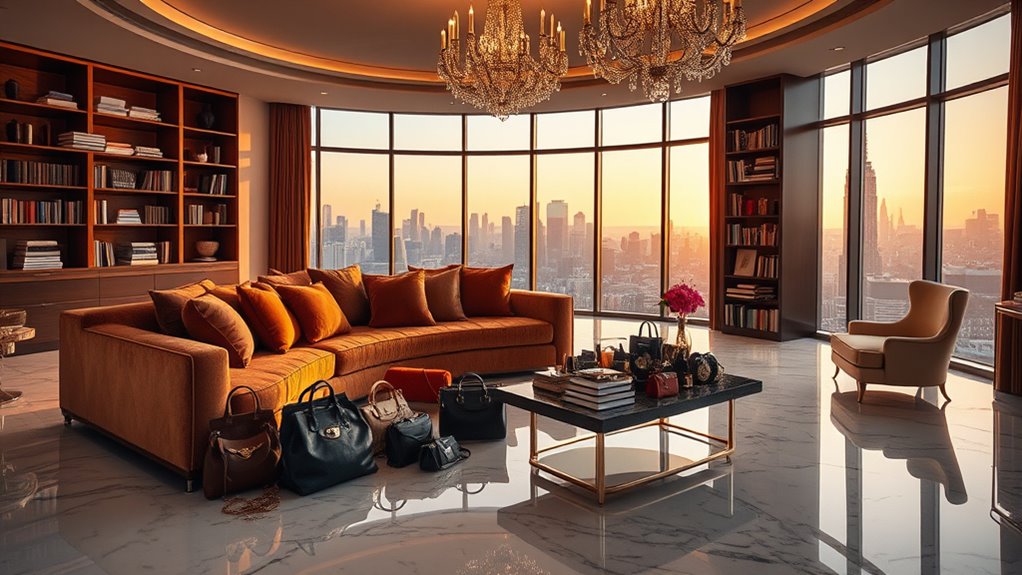

The luxury trap tricks you into believing more possessions will bring lasting happiness, but it only leads to fleeting satisfaction. As you chase bigger or better things, your focus shifts from internal fulfillment to external approval, fueling a cycle of desire and comparison. This constant pursuit drains your emotional and financial resources, leaving you feeling unfulfilled and exhausted. If you want to break free and find genuine contentment, understanding this cycle is the first step toward lasting happiness.
Key Takeaways
- Constantly pursuing more luxury creates a fleeting sense of achievement, preventing lasting happiness or fulfillment.
- External validation shifts focus from internal well-being to societal approval, fueling ongoing desire.
- Comparing oneself to curated images on social media intensifies feelings of inadequacy and dissatisfaction.
- Material pursuits drain financial and emotional resources, leading to exhaustion and neglect of meaningful life aspects.
- Recognizing the cycle of desire enables shifting focus inward for genuine happiness and contentment.

Have you ever wondered if chasing luxury is really worth the cost? It’s a question many people don’t ask until they find themselves trapped in a cycle of aspiration dissatisfaction. You set your sights on the latest designer bag, the newest high-end gadget, or an upscale car, believing these possessions will bring fulfillment. But the truth is, as soon as you achieve that next status symbol, a fleeting sense of triumph washes over you—only to be replaced quickly by a craving for more. That’s because, in the pursuit of luxury, your mind becomes conditioned to chase after the next big thing, constantly comparing yourself to others who seem to have even more. This status comparison fuels an endless loop of desire, where your self-worth becomes intertwined with material possessions instead of inner satisfaction.
Chasing luxury fuels endless desire and dissatisfaction, shifting focus from inner fulfillment to outward appearances.
You might start off with genuine motivation, wanting to enjoy the finer things in life, but over time, the line blurs. Your aspirations shift from personal enjoyment to external validation. You measure your success based on what others see and admire, not what truly makes you happy. This creates a persistent feeling of dissatisfaction, as no matter how many luxury items you acquire, you still feel incomplete. The more you chase, the more you realize that the thrill of possession is temporary. It’s like filling a bucket with holes—no matter how much you pour in, it never quite stays full. That’s the trap: you’re constantly seeking fulfillment outside yourself, trying to fill an internal void that’s never satisfied.
Meanwhile, comparisons with others intensify this dissatisfaction. Social media, in particular, amplifies these feelings, showcasing curated images of wealth and success, making you feel left behind or inadequate. When you see someone flaunting their latest luxury purchase, it’s easy to fall into the trap of thinking you’re missing out or that your worth hinges on material success. But the truth is, these comparisons only deepen your dissatisfaction and widen the gap between your current state and your idealized version of success. Interestingly, cultural beliefs surrounding astrology and beauty often influence perceptions of attractiveness, adding another layer to the societal standards that fuel material pursuits. You start to believe that more possessions will finally bring peace, but they rarely do. Instead, they keep you tethered to a cycle of desire and disappointment, where your happiness depends on external things that can never truly satisfy your inner needs.
In the end, this relentless pursuit of luxury can drain your resources, both financially and emotionally. It distracts you from cultivating genuine contentment and overlooks the more meaningful aspects of life that money can’t buy. Recognizing this cycle is the first step to breaking free from the luxury trap, and understanding that true fulfillment comes from within, not from the possessions you accumulate.
Frequently Asked Questions
How Can I Recognize if I’m Caught in a Luxury Trap?
You might be caught in a luxury trap if you notice constant status anxiety driving your purchases and compulsive buying becoming a habit. When accumulating more doesn’t bring satisfaction, and you feel pressured to keep up with others, it’s a sign. Reflect on whether your happiness depends on possessions or external validation. Recognizing these patterns helps you break free and find fulfillment beyond material things.
What Psychological Effects Does Materialism Have on Happiness?
A materialistic mindset can decrease your overall happiness, as studies show material pursuits often lead to hedonic adaptation, meaning you quickly get used to new possessions and crave more. This cycle keeps you chasing external rewards, leaving you feeling unfulfilled. When you’re caught in this trap, your mood fluctuates with acquisitions, making true contentment elusive. Recognizing this pattern helps you break free and focus on lasting sources of happiness.
Are There Ways to Break Free From the Cycle of Excess?
You can break free from the cycle of excess by practicing mindful consumption and adopting a minimalist lifestyle. Focus on what truly adds value to your life instead of impulse buying. Declutter regularly and prioritize quality over quantity. Set clear goals to avoid unnecessary purchases. By simplifying your surroundings and being intentional with your choices, you’ll find more satisfaction and less dependence on material possessions.
How Does Social Comparison Influence Desire for Luxury Items?
You might notice how social comparison fuels your desire for luxury items. When you see peers showcasing status signaling, it triggers a craving to match or surpass their achievements. Peer influence amplifies this effect, making you believe that owning certain luxury goods defines your worth. Recognizing this pattern helps you step back, realize that your value isn’t tied to possessions, and resist the pull of unnecessary luxury pursuits.
Can Reducing Possessions Lead to a More Fulfilling Life?
Yes, reducing possessions can lead to a more fulfilling life. Embracing a minimalist lifestyle encourages material detachment, helping you focus on meaningful experiences rather than possessions. When you let go of excess, you gain clarity, reduce stress, and find joy in simpler things. This shift fosters genuine contentment, making you appreciate what truly matters and creating a sense of freedom that material wealth often can’t provide.
Conclusion
You’ve reached the edge of the luxury trap, where chasing more feels like chasing your own shadow—always just out of reach. Remember, true richness isn’t in possessions but in moments and connections. Don’t let the glitter of excess blind you to what truly matters. Sometimes, less is the most lavish gift you can give yourself. Step back, breathe, and rediscover the beauty of simplicity—like finding treasure in a quiet, unassuming shell.